What is the difference between a pneumatic and hydraulic hammer?
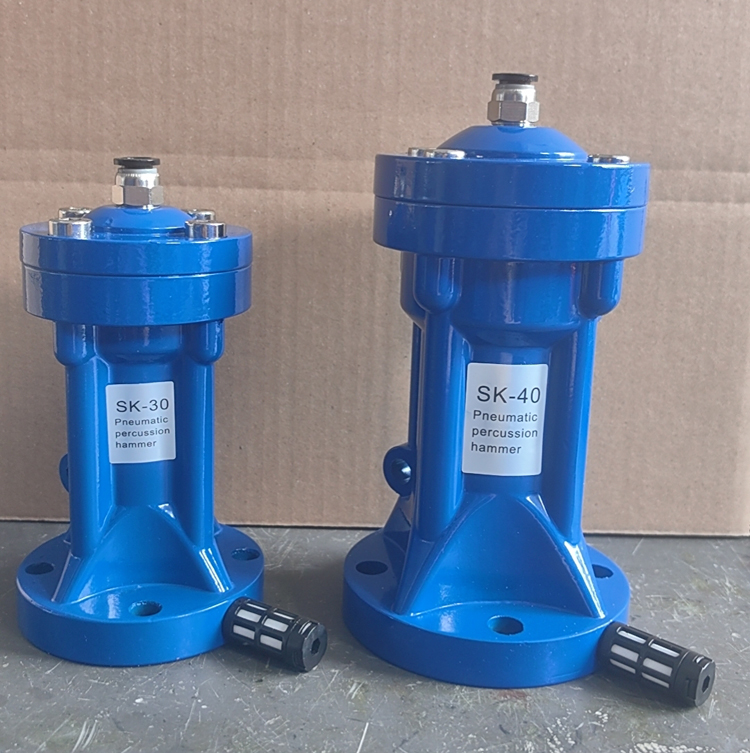
Pneumatic and hydraulic hammers operate using distinct mechanisms. Pneumatic hammers, such as the pneumatic percussion hammer, utilize compressed air to generate force. Hydraulic hammers, on the other hand, depend on hydraulic fluid to deliver power. These differences affect their performance and make them suitable for specific tasks. Tools like the SK 40 air knocker vibrator highlight the versatility of pneumatic systems in industrial applications.
Key Takeaways
- Pneumatic hammers use air pressure, so they are light and easy to carry. They work well for precise jobs like chiseling or small demolitions.
- Hydraulic hammers use pressurized fluid to give strong power. They are great for tough jobs like breaking concrete or digging.
- Pick the right hammer based on your project. Think about power, ease of carrying, and price to choose the best tool.
Overview of Pneumatic Hammers
How Pneumatic Hammers Work
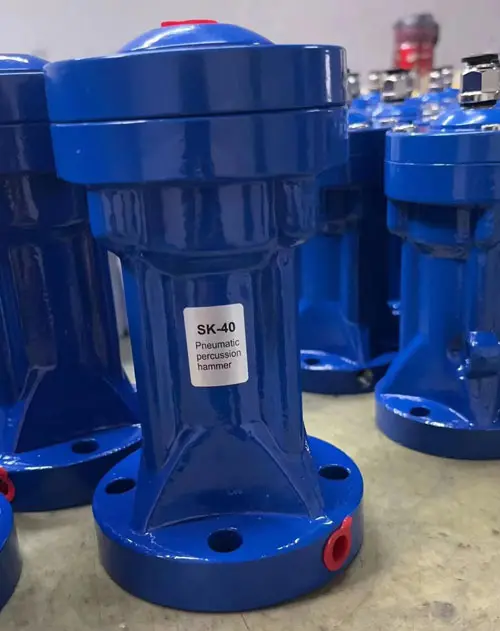
Pneumatic hammers operate by harnessing the power of compressed air. An air compressor generates pressurized air, which flows into the hammer’s internal chamber. This air drives a piston back and forth, creating rapid impacts. The repetitive motion of the piston delivers the force needed to break, shape, or cut materials. Pneumatic hammers rely on a simple yet effective mechanism, making them a popular choice for various industrial and construction tasks.
Features of Pneumatic Percussion Hammers
Pneumatic percussion hammers stand out due to their lightweight design and ease of use. These tools often feature ergonomic handles, reducing operator fatigue during extended use. Their compact size allows for precise work in confined spaces. Additionally, they offer adjustable impact settings, enabling users to tailor the tool’s performance to specific tasks. The pneumatic percussion hammer is also known for its durability, as it contains fewer moving parts compared to other hammer types.
Advantages of Pneumatic Hammers
Pneumatic hammers provide several benefits. Their lightweight construction enhances portability, making them ideal for tasks requiring mobility. They deliver consistent performance, even in demanding environments. The simplicity of their design ensures minimal maintenance requirements. Furthermore, pneumatic hammers are cost-effective, as compressed air is a readily available power source. Their versatility makes them suitable for applications ranging from demolition to metalworking.
Disadvantages of Pneumatic Hammers
Despite their advantages, pneumatic hammers have limitations. They require a continuous supply of compressed air, necessitating the use of an air compressor. This dependency can increase setup time and limit mobility in remote locations. Pneumatic hammers also tend to produce higher noise levels, which may require operators to use hearing protection. Additionally, their power output may not match that of hydraulic hammers, making them less suitable for heavy-duty applications.
Overview of Hydraulic Hammers
How Hydraulic Hammers Work
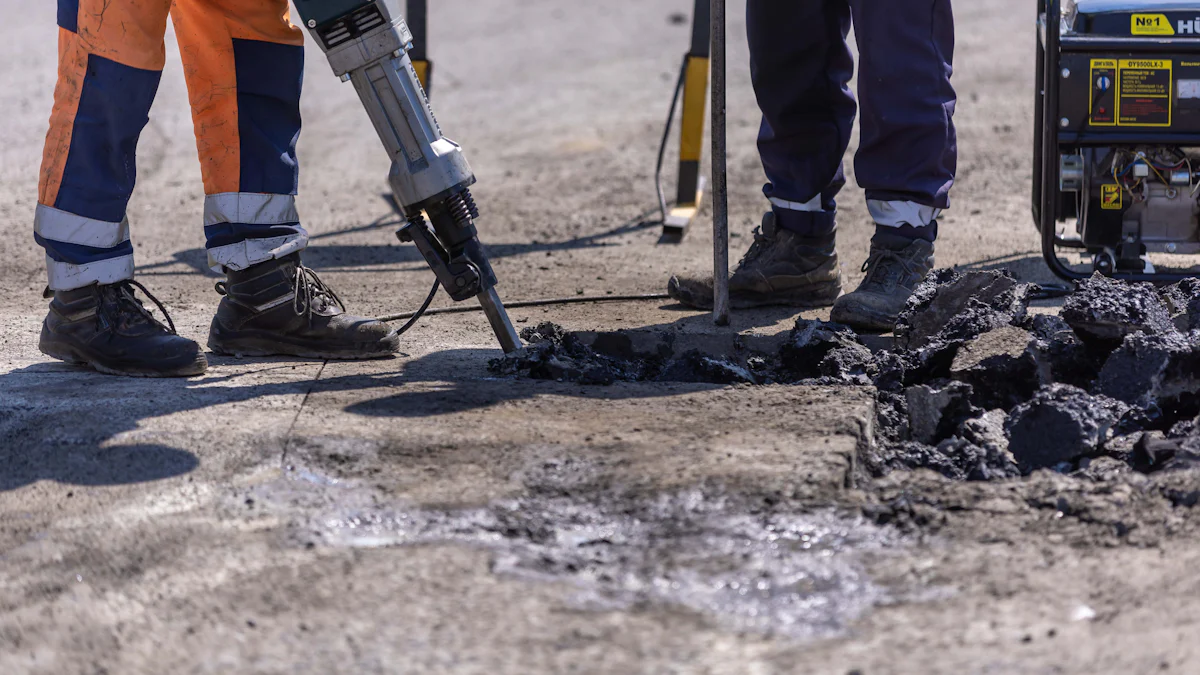
Hydraulic hammers operate by utilizing pressurized hydraulic fluid to generate force. A hydraulic pump delivers fluid into the hammer’s internal chamber, where it powers a piston. The piston moves rapidly, creating high-impact energy that transfers to the tool’s working surface. This mechanism allows hydraulic hammers to deliver consistent and powerful blows, making them suitable for breaking through tough materials like concrete and rock.
Features of Hydraulic Hammers
Hydraulic hammers are known for their robust construction and high power output. These tools often feature advanced control systems, enabling operators to adjust impact force for specific tasks. Many models include vibration-dampening technology, which reduces operator fatigue and enhances precision. Their heavy-duty design ensures durability, even under extreme working conditions. Additionally, hydraulic hammers often integrate noise-reduction features, making them more suitable for urban or noise-sensitive environments.
Advantages of Hydraulic Hammers
Hydraulic hammers offer several key benefits. Their high power output makes them ideal for heavy-duty applications, such as demolition and excavation. They deliver consistent performance, even when working with dense materials. Hydraulic systems are highly efficient, minimizing energy loss during operation. These hammers also tend to produce less noise compared to pneumatic models, contributing to a safer and more comfortable work environment.
Disadvantages of Hydraulic Hammers
Despite their strengths, hydraulic hammers have some limitations. They require a hydraulic power source, which can increase initial setup costs. Their heavier weight may reduce portability, making them less suitable for tasks requiring frequent movement. Maintenance can also be more complex, as hydraulic systems involve intricate components. Additionally, hydraulic fluid leaks can pose environmental risks if not properly managed.
Key Differences Between Pneumatic and Hydraulic Hammers
Power and Force Output
Pneumatic hammers generate force through compressed air, which limits their power output. They excel in tasks requiring moderate force, such as chiseling or light demolition. Hydraulic hammers, however, deliver significantly higher force due to the pressurized hydraulic fluid. This makes them ideal for breaking through dense materials like concrete or rock. The pneumatic percussion hammer, while versatile, cannot match the raw power of hydraulic systems.
Efficiency and Energy Consumption
Hydraulic hammers operate with greater energy efficiency. They minimize energy loss during operation, ensuring consistent performance. Pneumatic hammers, on the other hand, rely on air compressors, which consume more energy and may result in inefficiencies. For projects requiring prolonged use, hydraulic hammers often prove more cost-effective in terms of energy consumption.
Cost and Maintenance
Pneumatic hammers typically have lower upfront costs. Their simple design reduces maintenance expenses, as they contain fewer intricate components. Hydraulic hammers, while more expensive initially, require specialized maintenance due to their complex systems. Over time, the higher maintenance costs of hydraulic hammers can impact overall project budgets.
Noise Levels and Environmental Impact
Pneumatic hammers produce higher noise levels, which can disrupt work environments and require hearing protection. Hydraulic hammers, equipped with noise-reduction features, operate more quietly. Additionally, hydraulic systems pose environmental risks if fluid leaks occur, whereas pneumatic systems rely on air, which is environmentally safe.
Durability and Longevity
Hydraulic hammers are built for durability, withstanding extreme conditions and heavy-duty tasks. Their robust construction ensures a longer lifespan. Pneumatic hammers, while durable, may wear out faster under intense workloads. However, their lightweight design makes them easier to handle and transport.
Applications and Suitability for Tasks
Best Uses for Pneumatic Hammers
Pneumatic hammers excel in tasks requiring precision and mobility. Their lightweight design makes them ideal for applications such as chiseling, carving, and light demolition. Operators often use these tools in metalworking to shape or cut materials with accuracy. The pneumatic percussion hammer, in particular, is well-suited for intricate tasks in confined spaces. These hammers also perform effectively in environments where portability and ease of use are critical, such as small-scale construction projects or repair work.
Best Uses for Hydraulic Hammers
Hydraulic hammers dominate heavy-duty applications. Their high power output makes them indispensable for breaking through dense materials like concrete, asphalt, and rock. These tools are commonly used in demolition projects, excavation, and mining operations. Hydraulic hammers also prove effective in trenching and foundation work, where consistent force is essential. Their ability to handle extreme workloads ensures they remain a preferred choice for large-scale industrial and construction tasks.
Industries and Projects That Benefit from Each Type
Pneumatic hammers find widespread use in industries such as automotive repair, metal fabrication, and small-scale construction. Their versatility and cost-effectiveness make them a practical choice for artisans and contractors working on detailed projects. Hydraulic hammers, on the other hand, are vital in industries like mining, road construction, and large-scale demolition. Projects involving infrastructure development, such as bridge construction or tunneling, often rely on hydraulic systems for their efficiency and power.
Pros and Cons Comparison
Summary of Pneumatic Hammer Pros and Cons
Pneumatic hammers offer several advantages that make them a popular choice for specific tasks. However, they also come with certain limitations. Below is a concise summary:
Pros:
- Lightweight and Portable: Their compact design allows for easy handling and transportation.
- Cost-Effective: Lower initial investment and maintenance costs make them budget-friendly.
- Versatile: Suitable for a wide range of applications, including light demolition and metalworking.
- Simple Mechanism: Fewer moving parts reduce the likelihood of mechanical failure.
- Environmentally Safe: Compressed air as a power source poses no environmental risks.
Cons:
- Limited Power Output: Less effective for heavy-duty tasks compared to hydraulic hammers.
- Dependency on Air Compressors: Requires a continuous supply of compressed air, which can limit mobility.
- Higher Noise Levels: Produces significant noise, necessitating hearing protection.
Tip: Pneumatic hammers work best for small-scale projects where precision and portability are essential.
Summary of Hydraulic Hammer Pros and Cons
Hydraulic hammers excel in power and efficiency, making them indispensable for demanding applications. Below is a summary of their strengths and weaknesses:
Pros:
- High Power Output: Capable of breaking through dense materials like concrete and rock.
- Energy Efficiency: Minimizes energy loss during operation, ensuring consistent performance.
- Durability: Built to withstand extreme conditions and heavy workloads.
- Noise Reduction Features: Operates more quietly, making it suitable for urban environments.
- Advanced Control Systems: Allows for precise adjustments to impact force.
Cons:
- Higher Initial Costs: Requires a significant investment in equipment and setup.
- Complex Maintenance: Involves intricate components that need specialized care.
- Heavier Design: Reduced portability can limit its use in tasks requiring frequent movement.
- Environmental Risks: Hydraulic fluid leaks can harm the environment if not managed properly.
Note: Hydraulic hammers are ideal for large-scale industrial projects where power and efficiency are critical.
| Feature | Pneumatic Hammers | Hydraulic Hammers |
|---|---|---|
| Power Output | Moderate | High |
| Portability | Excellent | Limited |
| Noise Levels | High | Low |
| Maintenance | Simple | Complex |
| Best Use | Light demolition, metalworking | Heavy-duty demolition, excavation |
Pneumatic and hydraulic hammers serve distinct purposes. The pneumatic percussion hammer offers portability and cost-efficiency, making it ideal for smaller, precision-focused tasks. Hydraulic hammers, with their superior power and durability, excel in heavy-duty applications. Selecting the right tool depends on the project’s requirements, including scale, material type, and budget constraints.
FAQ
What is the main difference between pneumatic and hydraulic hammers?
Pneumatic hammers use compressed air, while hydraulic hammers rely on pressurized hydraulic fluid. This distinction affects their power, efficiency, and suitability for specific tasks.
Which hammer type is more cost-effective for small projects?
Pneumatic hammers are more cost-effective for small projects. Their lower initial cost and simpler maintenance make them ideal for light-duty applications.
Are hydraulic hammers environmentally friendly?
Hydraulic hammers can pose environmental risks if hydraulic fluid leaks occur. Proper maintenance and handling minimize these risks, ensuring safer operation in sensitive environments.